A girl gets her power the way an heir gets a trust fund: early, unearned, and without a manual.
Art keeps returning to a woman looking in a mirror, and the easy reading is vanity. A better reading starts earlier: sometime in girlhood she noticed that people were kinder and more helpful to her than to others, and that she could move their emotions. The mirror is where she tries to isolate what makes others treat her differently, the ineffable quality that offers so much power for such a brief period. Why would anyone need to study their own instrument that closely?
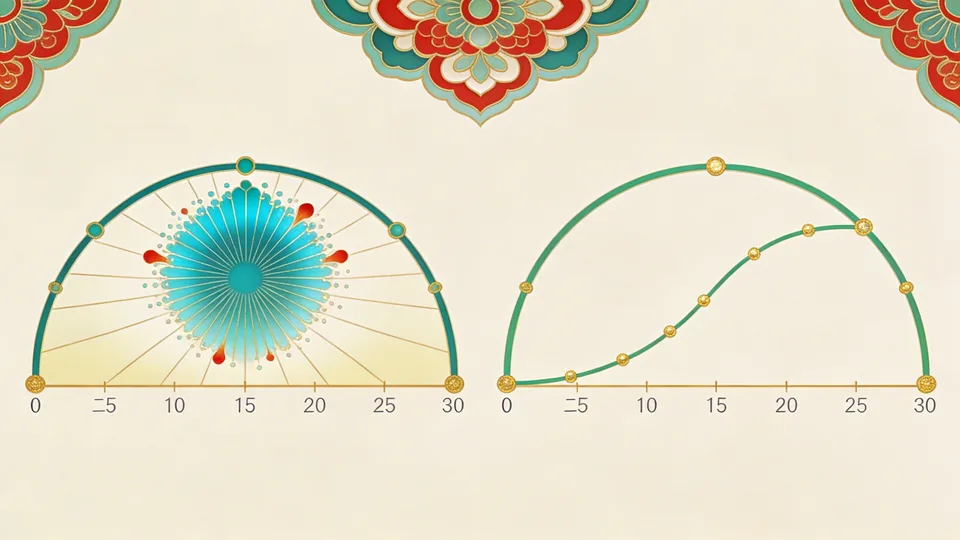
Because of when the power arrives. Men gain power slowly over a lifetime, earning it through work. Women are given theirs all at once, at a young age, before they know what to do with it. A woman’s power is like a trust fund that arrives when she is fourteen and runs out by thirty; a man’s is like a salary that starts low and compounds. The trust fund creates a strategic problem that most philosophical traditions ignore, and modern feminism often pretends does not exist.
Power before maturity
The girl’s discovery that people are kind to her reveals two uncomfortable truths at once. She may be more vulnerable than she assumed, since the kindness is partly compensation for fragility. And the kindness may not be free: people may want something in return for what she has been involuntarily advertising.
Both realizations arrive before she has the maturity to process them, so girls need to mature faster than boys. A girl who does not will be in trouble: she can become solely responsible for someone more vulnerable than herself without the means to support it, or have her heart broken so badly that it hardens her, spoiling her ability to use her power fully.
Building what outlasts it
If the power is concentrated and brief, the question becomes how to wield it well enough to build something that outlasts it.
Build skill independence. Never resort to selling your body cheaply to any man, whether as a prostitute or as a wife purchased with “financial security.” No amount of money is worth your dignity, and competence that outlasts beauty is the only power that compounds. This is harder than it sounds, because female social groups enforce equality, and visible competence triggers the same exclusion reflex as visible beauty.
Take commitment seriously. Her prime does not last long, so if someone does not promise to be there when youth fades, they will leave when it does. This is the Desire vs Love distinction applied practically: the person who commits is responding to you, while the person who wants but will not commit is responding to what you are temporarily advertising.
The usual objection is that describing masculine and feminine power differently is itself sexist. But the difference lies in the timing of how others respond to her, not in what she is worth, and pretending it does not exist does not help a fourteen-year-old navigate it.
So the woman at the mirror is not vain. She is studying an instrument she did not choose, trying to understand it before it changes. What she builds alongside it, whether competence, character, or relationships with people who see past the surface, decides what remains when the concentrated power fades: dependency, or a life that was built rather than merely enjoyed.
References:
- How to Be a Woman — Margarita’s Manuscript