Everyone tells you to work on yourself first. Nobody says when first ends.
We have talked to death about the pressure to marry young. We almost never talk about the other pressure, though it is now the stronger one: the pressure to delay, to keep searching, to do life alone, never to fall too hard or too fast or lose control.
Suppose you are twenty-six and meet someone you could love. The advice from friends, therapists and every feed is consistent: don’t lose yourself, keep your independence, make sure you are whole first. None of it says no. All of it says not yet. And “not yet”, repeated for a decade, has a plainer name. The pressure to be single is a euphemism for the pressure to be alone.
Falling in love while standing upright
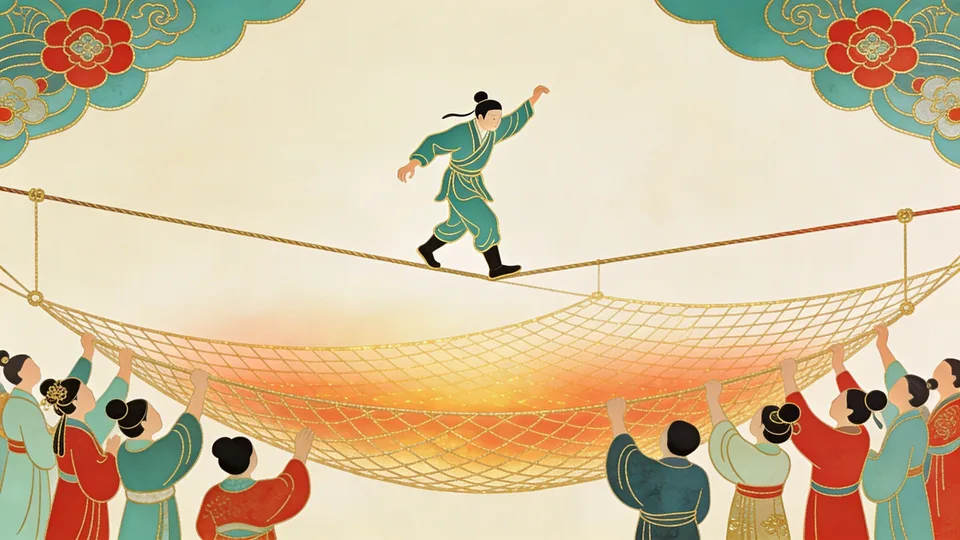
The modern script asks for something impossible: fall in love while standing perfectly upright, without ever losing your footing. Depend on someone without losing an inch of independence. It is an attempt to get the benefits of attachment without the vulnerability that attachment requires, which is non-neediness pushed so far that the fear of needing someone becomes indistinguishable from the inability to love them.
The justification is self-actualization: become whole, healed, enlightened, by yourself, before you commit to anyone. The fear is no longer that you won’t find someone but that you won’t find yourself first, so the person you met at twenty-six starts to look like an obstacle to the project rather than a participant in your life.
But we cannot self-actualize alone. We become ourselves through other people. Happiness comes from caring for others, yet a generation is told to arrange its life so that almost nothing is asked of it. That is the provisional life turned into a culture. “Love yourself before you love someone else” sounds like wisdom, but it defers the one thing that would teach you how to love, which is loving someone else, imperfectly, with stakes, while you are still figuring yourself out.
What we got wrong
Relationships are failing, but not because people are rushing. With unprecedented freedom and almost no expectations, dating feels harder than ever, yet we keep fighting the old problem of too much obligation. People spend so long learning to be single that being alone becomes the skill they have practised most. We thought the answer to failed marriages and broken families was less commitment. It was more.
The freedom itself is real: the ability to refuse a bad partner, especially for women who once had little say, is a genuine gain. The trouble starts when the same logic convinces people that every partnership is a compromise of self. The freedom to refuse has to coexist with the freedom to accept, or it becomes a trap of its own.
So what the twenty-six-year-old needs is not “commit faster” but permission to let love interrupt the plan, and to see that as a gift rather than a derailment: the freedom to be tied, the freedom to be bound. Love requires losing your footing; that is how it works. A culture that treats entanglement as a pathology produces people who are free of anyone who might need them, and alone. The real question is not whether the freedom is real. It is: is the freedom we are gaining just the freedom to give up on each other?
References:
- The Pressure to Be Single — Freya India