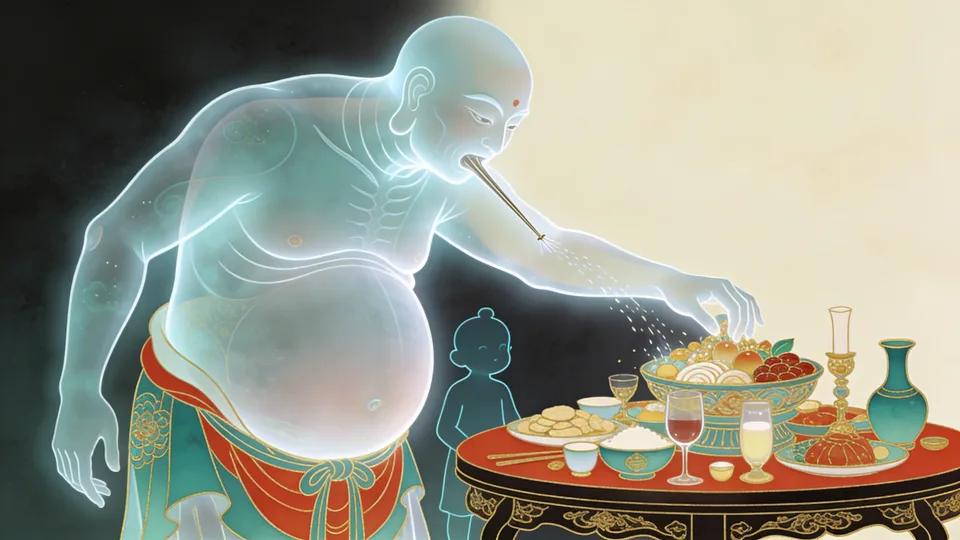
You can’t frighten someone off the needle when it’s the only thing making the day bearable.
Gabor Maté wrote this book from his years as a physician in Vancouver’s Downtown Eastside, among people who jeopardize their lives for the sake of making the moment livable. Nothing sways them: not illness, not the sacrifice of love and relationship, not the loss of all earthly goods, not the crushing of their dignity, not the fear of dying. What a wonderful world it would be if the simplistic view were accurate, and human beings needed only negative consequences to teach them hard lessons.
So why don’t the consequences teach? One answer in the book is blunter than any theory: “I’m not afraid of dying. Sometimes I’m more afraid of living.” If living is what has to be escaped, then the threat of death is aimed at the wrong target.
What the drug actually buys
The addict is not mainly buying pleasure. He is buying a pause. The fundamental addiction is to the fleeting experience of not being addicted. The addict craves the absence of the craving state. For a brief moment he is liberated from emptiness, from boredom, from lack of meaning, from yearning, from being driven or from pain. He is free. His enslavement to the external consists of the impossibility, in his mind, of finding within himself the freedom from longing.
Because relief is what is wanted, the dopamine system fires for its anticipation, and the ritual and cues become part of the addiction along with the substance. Compulsive gambling is addiction without anyone arguing it is caused by a deck of cards.
Where the emptiness comes from
The harder question is why some people find living so unbearable that a pause is worth any price. Maté’s answer starts in infancy, because the parent’s brain programs the infant’s. The opiate system, which governs love, releases endorphins in response to attentive presence. Stressed parents rear children whose stress apparatus runs in high gear, however much they love them. So children who have not received the attentive presence of the parent are at greater risk for seeking chemical satisfaction from external sources later in life. When the drug finally arrives, it supplies what was missing: the drug restores to the addict the childhood vivacity she suppressed long ago.
In adults, Maté names the precursor to addiction dislocation: the loss of psychological, social and economic integration into family and culture, felt as exclusion, isolation and powerlessness. Rats in a natural social environment avoid drugs even when physically dependent, while caged rats consume twenty times more. Among American soldiers in Vietnam, half who used heroin developed addiction, but once the stress of war ended, so did the addiction for most. The ones who persisted were those with histories of unstable childhoods.
Neglect and abuse during early life may compromise capacity for rewarding interpersonal relationships. Other means of stimulating reward pathways — drugs, sex, aggression, intimidating others — become relatively more attractive and less constrained by concern about violating trusting relationships.
Read that way, addiction is a relationship problem wearing a substance costume. The caged rat drinks because it is caged, not because morphine is irresistible.
Why punishment backfires
Calling addiction a “bad habit” or “self-destructive behavior” comfortably hides its function. For Carol, one of the people in the book, drug use helped her escape an abusive home, survive years of street living and find a community of shared experience. In IFS terms, the part that reaches for the substance is a firefighter putting out pain that would otherwise be unbearable, so punishment and shame only make it fight harder. We readily feel for a suffering child but cannot see the child in the adult.
None of this makes nurture a guarantee. A warmly nurtured child is more likely to develop emotional freedom, not because nurture removes the risk but because it builds the internal reward system that makes external substitutes less necessary. Whatever we do not deal with in our lives, we pass on to our children.
A sense of emptiness pervades our entire culture. The addict in the Downtown Eastside is more painfully conscious of the void than most and has fewer ways to escape it. The rest of us have quieter ways of making the moment livable, which leaves an uncomfortable question about what yours are buying.
References:
- Gabor Maté, In the Realm of Hungry Ghosts: Close Encounters with Addiction